
CASE STUDY / INDUSTRY EVIDENCE
Industry case study: one website connects 14 communities
A senior living operator brought 14 communities into one website while preserving local information. The public summary reports tenfold traffic growth; tour and move-in counts are not provided.
- See the shared and local page structure
- Review routes to community information
- Separate reported reach from tour outcomes
Industry example: reported traffic growth does not establish tour growth or results for our own client work.
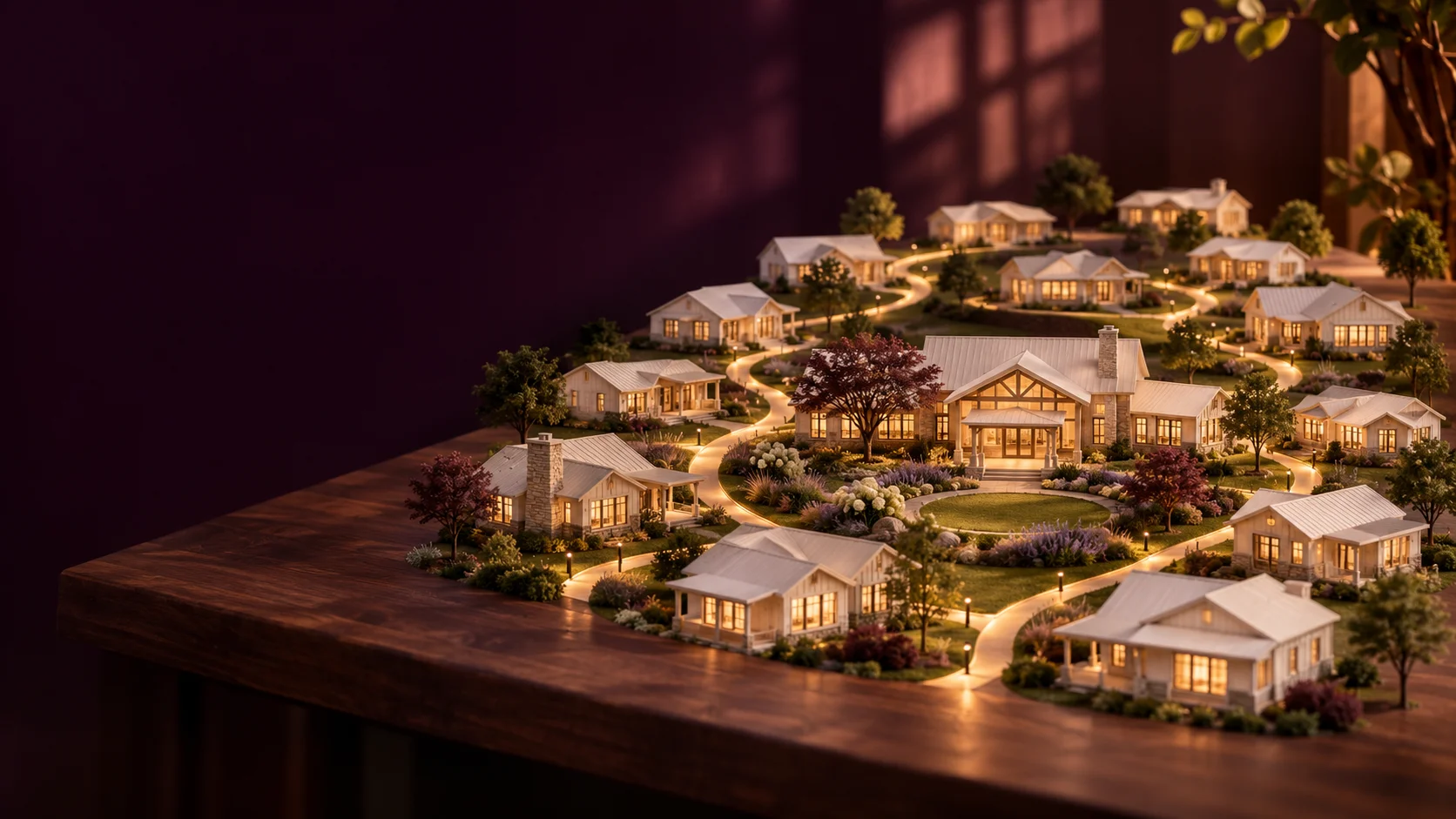
Review the structure and reported reach
Choose a section
A senior-living operator needed a unified digital presence without erasing the differences among its individual communities. Families choosing a community need consistent navigation but also accurate details about location, amenities and available services.
Timeframe: Public case page; full measurement period and baseline not disclosed on the accessible landing page
The scope and traffic figures reported
- 14 - Communities under one structure
- 10× - Reported website traffic growth
- 2 - States represented
How the community websites came together
A senior-living operator needed a unified digital presence without erasing the differences among its individual communities.
Families choosing a community need consistent navigation but also accurate details about location, amenities and available services.
Highlights from the documented project include 14 (communities under one structure) and 10× (reported website traffic growth). The public summary reports a tenfold increase in website traffic after the redesign.
The 14-community portfolio in two states
A 14-community senior-living organization with properties in two U.S. states; name withheld. The organization operated in Nebraska and California, USA.
Families and prospective residents need an accurate picture of each community before deciding whether to request a tour or conversation.
Help families navigate a fragmented group of sites
Families researching senior communities had to navigate a fragmented collection of sites. The operator needed consistent brand-level navigation without hiding each location’s unique services and amenities.
A fragmented web estate made it harder to move from an initial brand search to the right local community.
The core decision was how to improve the experience for people whose interest matched the actual services offered - and how to recognize the difference between a casual interaction and a meaningful next step.
Unify the structure while keeping local detail
The digital partner consolidated community content into a unified parent-child site structure, improved the search and user experience, and provided community-focused routes to relevant information.
A parent-child site architecture reorganized location content and created clearer pathways between group-level and community-level pages.
Acquisition activity worked best when the web experience connected location and service choice with an appropriate next step.
What the public traffic report establishes
The source states the redesigned web presence produced 10x growth in website traffic. The accessible summary does not give raw visit totals, verified tour bookings or move-in counts.
The public summary reports a tenfold increase in website traffic after the redesign.
For leadership, these measures matter because they connect marketing activity to the specific outcome the engagement set out to improve. The next question is whether that progress can be sustained and repeated across the relevant services or locations.
Keep local information useful within one system
The structure creates a more maintainable foundation for location content, even though traffic alone does not describe tour bookings.
A unified content system should still leave room for community-specific amenities, service availability, directions and tour options.
Community-level owners should be able to update factual service information and report whether inquiries result in meaningful next steps.
A senior-care marketing site should help a family move from the portfolio overview to one appropriate location and then to a tour request. Define how individual communities keep their accurate information and separate traffic growth from qualified tours.
Read the traffic baseline and tour-data limits
The public example describes a tenfold traffic increase but does not publish a matching raw-visit baseline or a count of tours booked. The quantified result is website reach.
Traffic, qualified inquiries, tours and move-ins are different business measures, each with its own decision value.
Make each community a clear destination
Start with a community inventory, map each local offering and make tour requests visible from every appropriate page.
Families need accurate community information and a clear route to the appropriate location or tour.
Apply the lesson to one high-priority service, campaign or location first. Record the existing path, improve the immediate point of friction and use an appropriate commercial measure to judge what changed.
Preserve one clear brand-level directory and distinct community-specific information.
Make amenities, services, directions and tours accessible from each relevant community page.
Measure tour enquiries and location-level progression after traffic growth.
Discuss the structure your communities need
Explore what this approach could mean for your organization. Request a review for your community.
Review the route to each of your communities
Share your main website, community list, and the local information families struggle to find. We can discuss which part of the structure to review first.